Iran says Saudi, Turkish, Pakistani chiefs to visit Tehran
Tehran says Saudi, Turkish and Pakistani security chiefs will join talks in the Iranian capital, a rare gathering amid a spreading West Asia war.

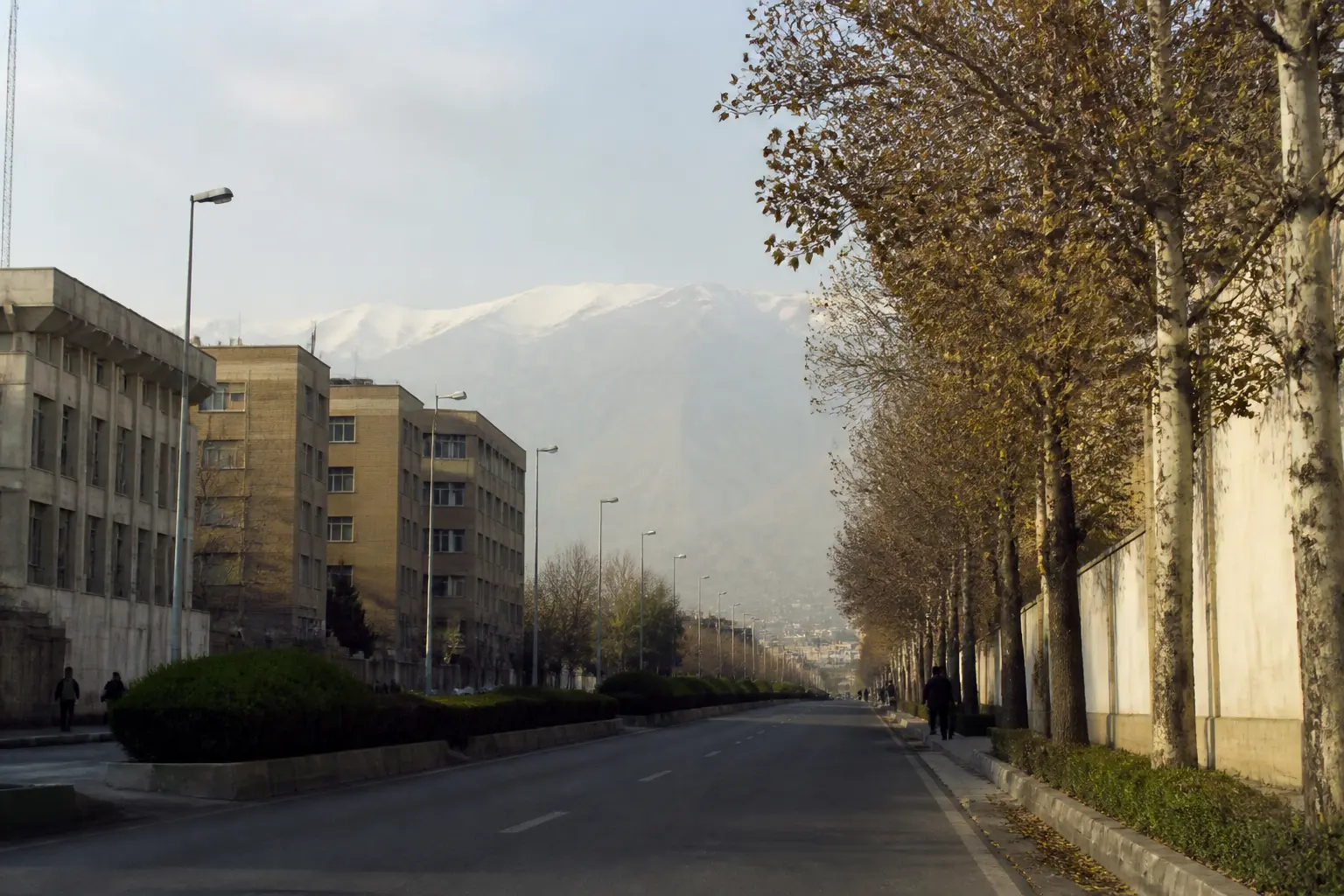
Tehran — Senior officials from Saudi Arabia, Turkiye and Pakistan are to travel to Tehran for talks on regional security, an Iranian official said on Monday, in what Tehran cast as a rare four-party effort to steady a region still at war.
Ali Bagheri Kani, Deputy Secretary of Iran's Supreme National Security Council (SNSC), told state television that Saudi Defence Minister Khalid bin Salman, Pakistani Army chief General Asim Munir and Turkish intelligence chief Ibrahim Kalin would all take part, The Hindu reported. The meeting will be held with Iran's security chief Mohsen Rezaei.
Kani did not say when the talks would take place. He said the meeting was proposed during a visit to Tehran last week by General Munir, and described it as what he called an "important and effective step towards building lasting regional security", adding that Iran hoped the initiative would contribute to a stable region.
The announcement carries weight because of what surrounds it. War has engulfed West Asia since February, when the United States and Israel launched a wave of surprise attacks on Iran while Washington and Tehran were mid-negotiation over Iran's nuclear programme. An April ceasefire ended the first, most intense phase of bombardment, but the conflict has not ended.
Both sides have since vied for control of the Strait of Hormuz, the waterway through which around a fifth of the world's oil and liquefied natural gas used to travel. Iran claims control of the strait and has regularly targeted vessels crossing without its authorisation; the United States has answered with a naval counter-blockade of Iranian ports. Diplomacy with Washington remains stalled, above all since a June deal laying out a pathway to a permanent settlement collapsed. The war has spread further, drawing in fighting between Saudi Arabia and the Iran-backed Houthis in Yemen — making Riyadh's presence at a Tehran table all the more striking. Gulf states have been bracing for a wider return to US-Iran war.
None of the three visiting governments has yet publicly confirmed its participation, and the agenda has not been detailed. What the region is waiting for now is a date — and any sign that four capitals talking in Tehran can do what months of fighting have not.
Sources
This article is based on reporting from: