Lula wins Brazil runoff as Bolsonaro vows to seek annulment
Lula won a fourth term with 51.78% of the vote, but Flávio Bolsonaro is seeking to annul the result over extended polling hours.

Brasília — Luiz Inácio Lula da Silva has won a fourth term as Brazil's president, taking 51.78% of valid votes in Sunday's runoff against 48.22% for Senator Flávio Bolsonaro — a margin of some 4.4 million votes, MercoPress reported. Within hours, Bolsonaro appeared before cameras in Brasília and refused to recognise the result, announcing he would seek to have the election annulled over a Supreme Federal Court judge's decision to extend voting hours.
The challenge lands on a country that has been here before. Four years ago, Bolsonaro's father, then-president Jair Bolsonaro, also declined to publicly concede defeat to Lula, and a week after the inauguration thousands of his supporters stormed the seats of all three branches of government in the capital. Whether Brazil's courts, parties and security institutions absorb this second refusal — and whether it ever becomes a formal legal case — is now the central question of the transition. As Wide World News reported during the campaign, the race was on a knife edge until the end.
What is confirmed
The vote itself is not in dispute as a count. Lula's 51.78% to 48.22% victory was clear enough that Bolsonaro's objection is not to the tally but to the conditions under which part of it was cast.
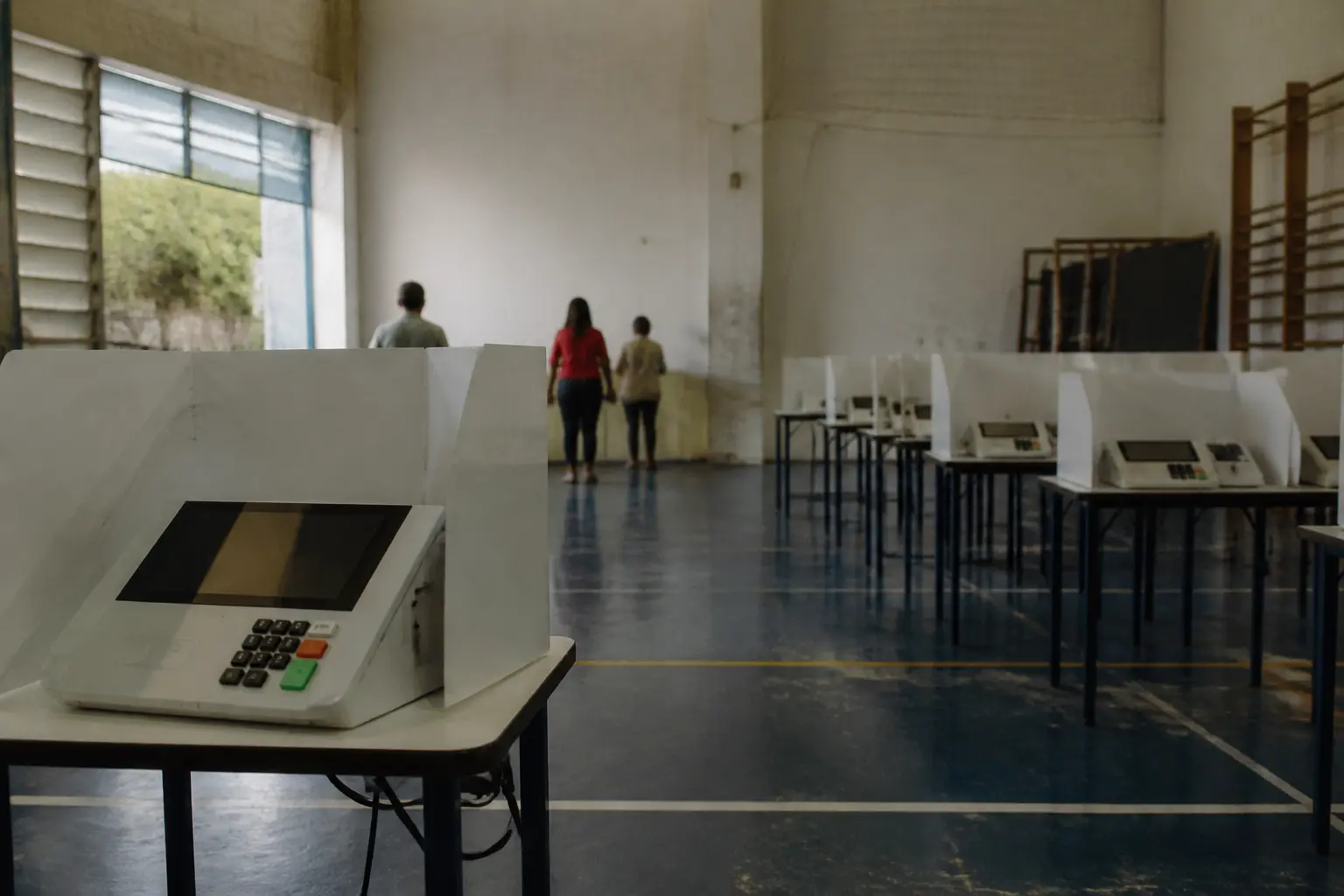
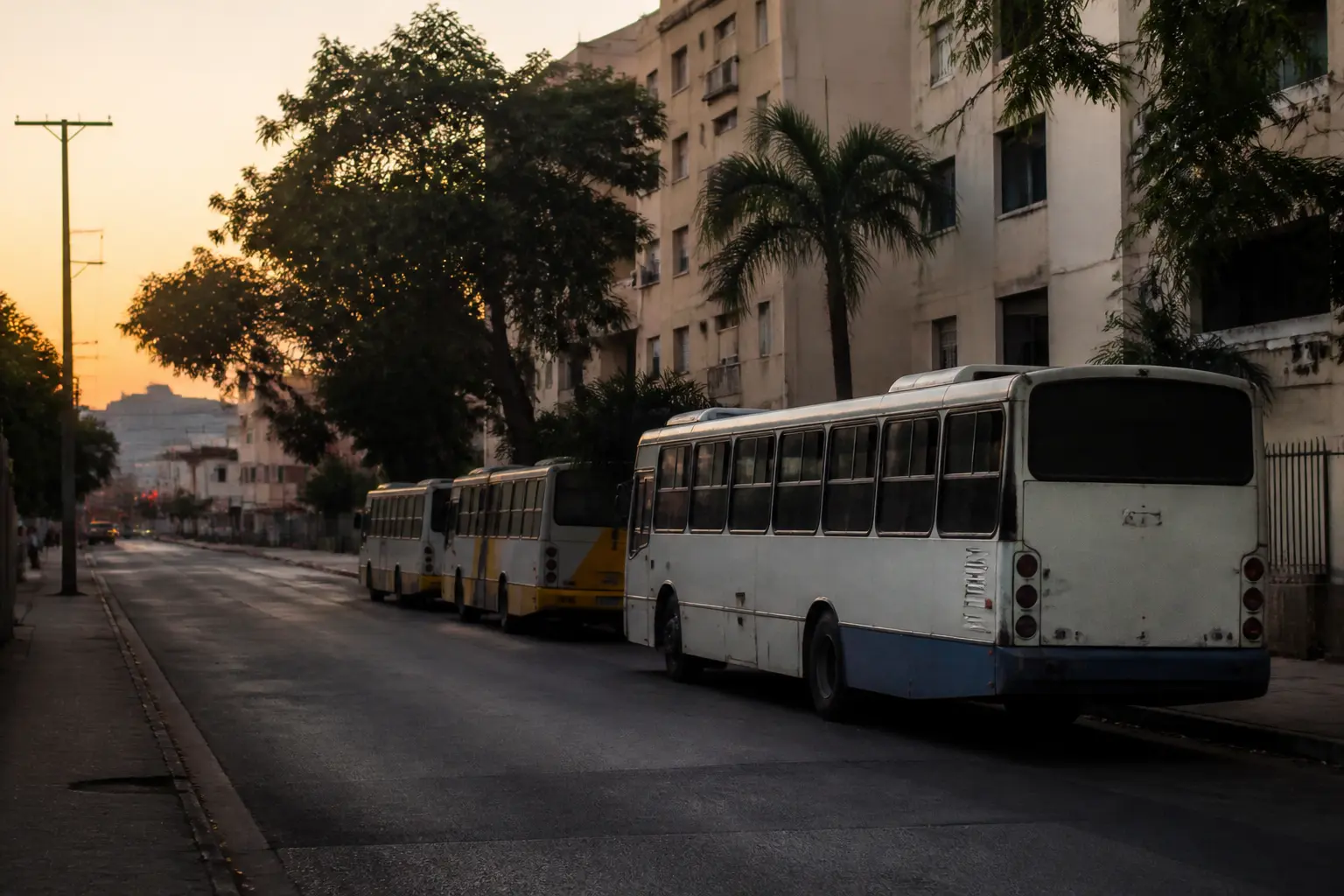
At 5.01 p.m. on Sunday, when polls were due to close, Supreme Court Judge Cristiano Zanin ordered voting extended until 7 p.m. nationwide, acting on a request from Lula's coalition, which had reported a lack of buses to carry voters in cities including São Paulo and Salvador. Zanin later clarified that the extension applied only where polling stations were still open, and that votes from stations already closed would be counted normally. It was the first time voting hours in a Brazilian presidential election had been extended nationwide.
Two further facts complicate the picture Bolsonaro paints. His own campaign had asked the electoral courts to extend voting in municipalities in several states affected by rain. And there is, as of Monday, no record of his campaign having filed a formal challenge of any kind — only the televised declaration.
What Bolsonaro claims, and what he has not shown
Speaking at around 10.40 p.m. in Brasília and taking no questions, Bolsonaro called Zanin's decision "a disgrace" and said it caused a "total breach of equality" between voters in different states. He also alleged that his Liberal Party's monitors had been removed from the vote-tallying room — an accusation he made, MercoPress noted, without presenting evidence.
"It is impossible to recognise the result of the election in the context in which these things happened. We are going to ask for these elections to be annulled," Bolsonaro said, adding: "I will not accept the rules of the game being changed in the middle of the game."
Bolsonaro referred to Zanin as "Lula's lawyer." The biographical point behind the jab is accurate: Zanin defended Lula in the Lava Jato corruption cases before Lula appointed him to the Supreme Court. What that proves about the extension order is the contested part. The distinction matters because an annulment request would have to persuade the courts that a procedural decision — one Bolsonaro's own team sought in parallel for rain-hit areas — invalidated millions of votes, rather than simply that a judge was politically proximate to the winner.
What is still unknown
The gap between a televised refusal and a legal challenge is wide, and that is where the story now sits. No filing has been recorded, no grounds have been argued before a court, and no judge has been asked to rule. According to the Brazilian press, Supreme Court President Edson Fachin has called for respect for the election result and said the country needs peace — a signal, though not a ruling, of how the court's leadership views the result.
Also unknown is how much of Brazil's political establishment will follow Bolsonaro into the fight. The claim about monitors being ejected from the tallying room stands as an allegation without supporting evidence so far, and neither side has produced documentation. Until something is filed and answered, annulment remains a demand, not a process.
The economic stakes of a fourth Lula term
For markets and trading partners, the result matters well beyond Brasília. As Euronews reported, Lula's triumph bucks a regional trend of victories for right-of-centre presidential candidates allied with Donald Trump, and it means Latin America's largest economy will likely continue defying Trump's demands despite the pressure of increased tariffs.
The mechanism is straightforward. Tariffs raise the cost of Brazilian goods entering the United States, squeezing exporters and, through them, jobs and tax revenue at home; a government that refuses to change course under that pressure is making a bet that alternative markets and domestic resilience outweigh the pain. A prolonged dispute over the election's legitimacy would add a second cost on top: uncertainty, which investors price into the currency, borrowing costs and the willingness to commit capital to a country whose next transfer of power is being contested before it begins.
The campaign itself was fought over exactly such terrain. France 24 reported that the race was dominated by corruption scandals, economic difficulties and allegations of US interference, which Washington has denied. Flávio Bolsonaro had scored a major upset in the first round earlier this month, taking the lead — which makes Sunday's reversal, and his refusal to accept it, all the more charged.
Echoes of the last transfer of power
The precedent is fresh and it is specific. After losing to Lula, Jair Bolsonaro never publicly recognised the defeat, though he authorised the start of the transition. On January 8, a week after the inauguration, thousands of his supporters stormed the seats of the three branches of government in Brasília. The former president was later sentenced to 27 years in prison for plotting a coup.
His son's move on Sunday night stops short of that trajectory in one important respect: it is framed as a legal request, however thin the filing record currently is. But the sequence — a narrow loss, a refusal to concede, an attack on the integrity of the count, a personal attack on a judge — tracks closely enough to explain why Fachin moved quickly to call for respect and peace, and why the coming days will be read in Brasília as a test of whether institutions that held, at a cost, last time can hold more cheaply now.
What happens next
Lula is scheduled to begin his fourth term on January 1. Before then, three markers will show where this goes. First, whether Bolsonaro's campaign converts its announcement into a formal challenge before the electoral courts — nothing has been filed yet. Second, how those courts and the Supreme Federal Court respond, with Fachin already on record, via the Brazilian press, urging respect for the result. Third, whether Washington escalates or holds its tariff pressure on a government that now has a fresh mandate to resist it. The votes are counted. The argument about them has just begun.
Sources
This article is based on reporting from:
- MercoPress Bolsonaro refuses to recognise Lula’s victory and says he will seek to annul the election — MercoPress
- Euronews Brazil's Lula clinches election victory as Bolsonaro rejects results | EuronewsNewsletterEventsLoaderNewsletterEventsLoaderSearch
- France 24 Presidential runoff under way in Brazil