Iran says seven ships hit in Hormuz, warns US of wider response
Tehran claims its largest single-day toll in the strait since the war began, as an oil slick from a stricken tanker spreads along UAE beaches.

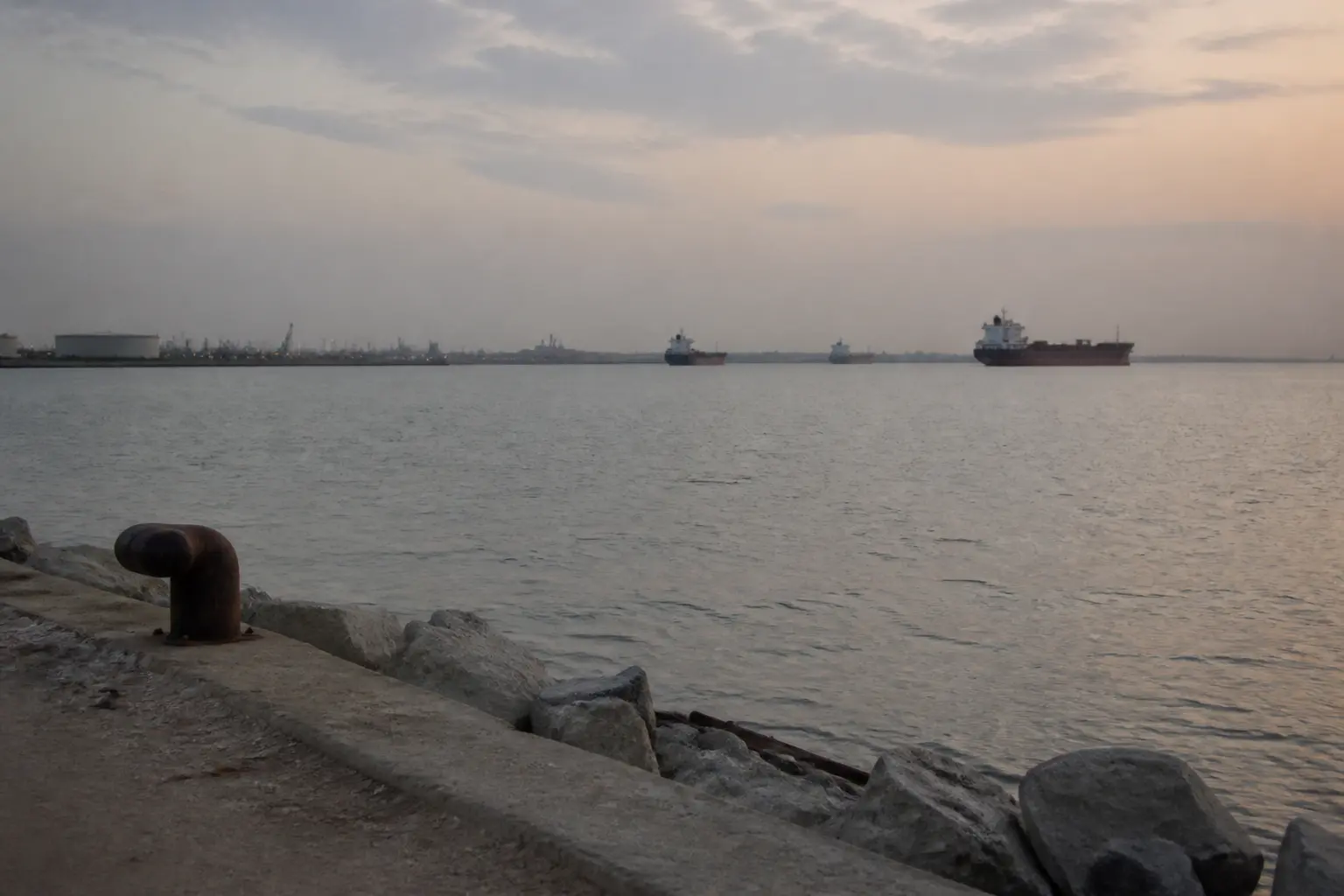
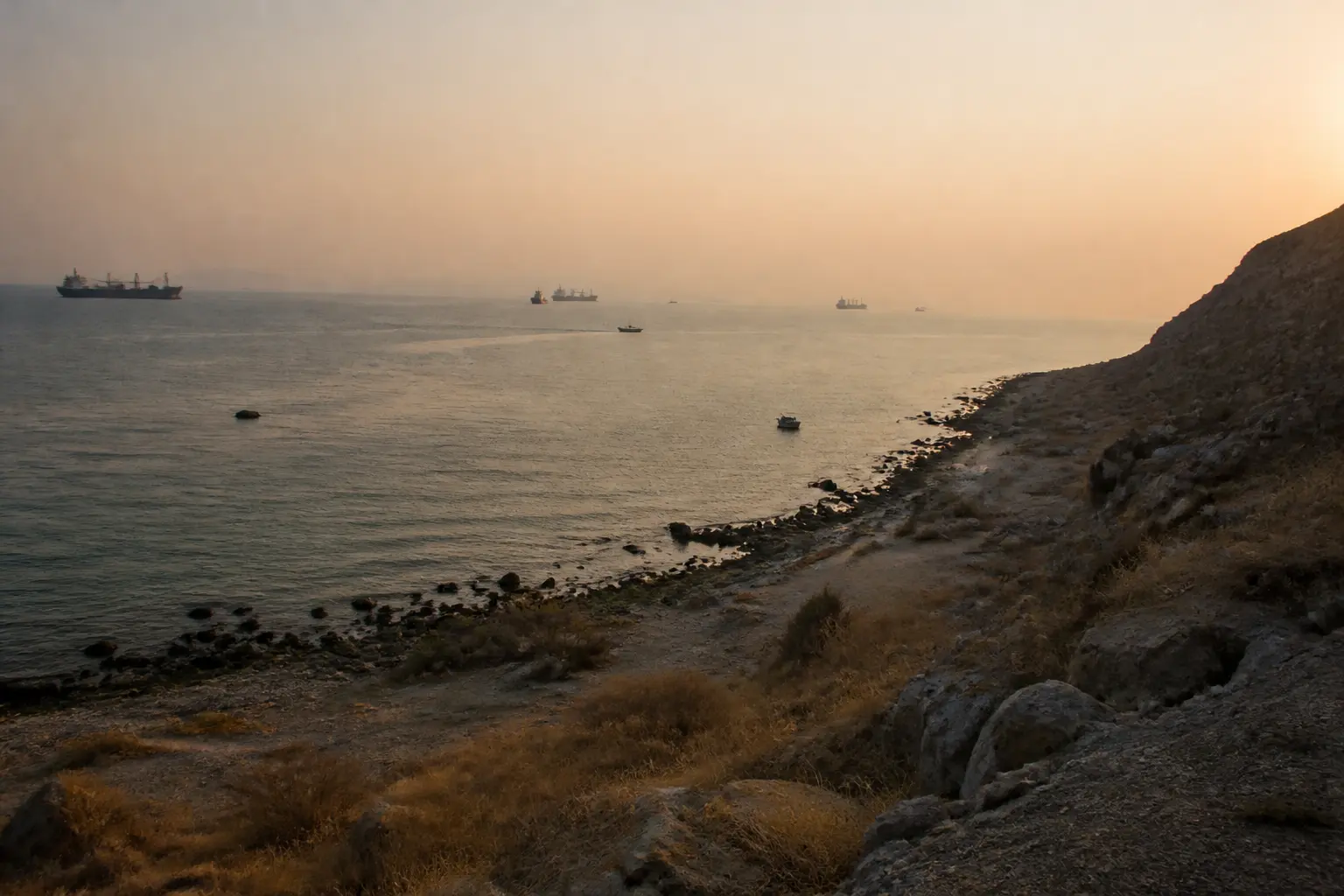
Tehran — Iran says seven oil tankers were struck in the Strait of Hormuz overnight, the largest single-day toll in the waterway since the United States and Israel began their war against Iran on 28 February, according to Al Jazeera. Tehran also warned it could attack US bases across the Middle East if Washington helps tankers transit other parts of the strait.
The Islamic Revolutionary Guard Corps said four of the vessels were transferring oil when they were targeted and caught fire; the other three were disabled after striking mines. The claims could not be independently verified, and no details of casualties or the tankers' flags were given.
Washington pushed back. President Donald Trump said Iran was inventing attacks to drive up oil prices before the US midterm elections, writing on Truth Social that "They are making up fake hits, mines, and everything else". A US Central Command spokesperson, speaking anonymously to Al Jazeera, called the mine claims incorrect, saying US forces had cleared the shipping lanes and that 95 percent of vessels were getting through.
The environmental cost is already measurable. Satellite imagery reviewed by BBC News shows a slick from the Panama-flagged tanker Gem No.2, struck on 9 October, had spread more than 35km by Wednesday, closing beaches near Umm Al Quwain, Euronews reported. All 22 Indian crew members were rescued. Researchers told the BBC the damage is still too uncertain to quantify, but the slick is drifting towards Siniyah and Khor Al Beidah, a Key Biodiversity Area home to green turtles and the critically endangered Halavi guitarfish.
Before the war, one-fifth of the world's oil passed through the strait. Iran claims full control of it and says it attacks ships crossing without authorisation; the US has been escorting vessels through in growing numbers, with Gulf states bracing for a wider conflict.
What happens next may be decided in Washington as much as at sea. Polling cited by Al Jazeera shows most Americans oppose more war spending, and the early-November midterms now frame every decision: any US move to widen tanker escorts would test Tehran's warning, while the UAE's containment operation will give the first firm measure of the spill's reach in the days ahead.
Sources
This article is based on reporting from:
- Al Jazeera Iran says seven ships hit in Hormuz Strait, warns US of wider response | US-Israel war on Iran News | Al JazeeraplayShow navigation menuplaysearchcaret-leftcaret-rightListenshare-nodesfacebookxwhatsapp-strokecopylinkgoogleinfoaj-logoaj-logoaj-logofacebooktwitteryoutubeinstagram-colored-outlinerssblueskytiktok-colored-outline
- BBC News Oil spill washes up on UAE beaches after tanker strike
- Euronews Oil spill hits UAE beaches as tanker attacks multiply near Hormuz | EuronewsNewsletterEventsLoaderNewsletterEventsLoaderSearch