Houthi missile strike on Yemen camp kills dozens of recruits
A ballistic missile strike on a Shabwa training camp killed scores of new recruits, the deadliest single attack since Yemen's civil war reignited.

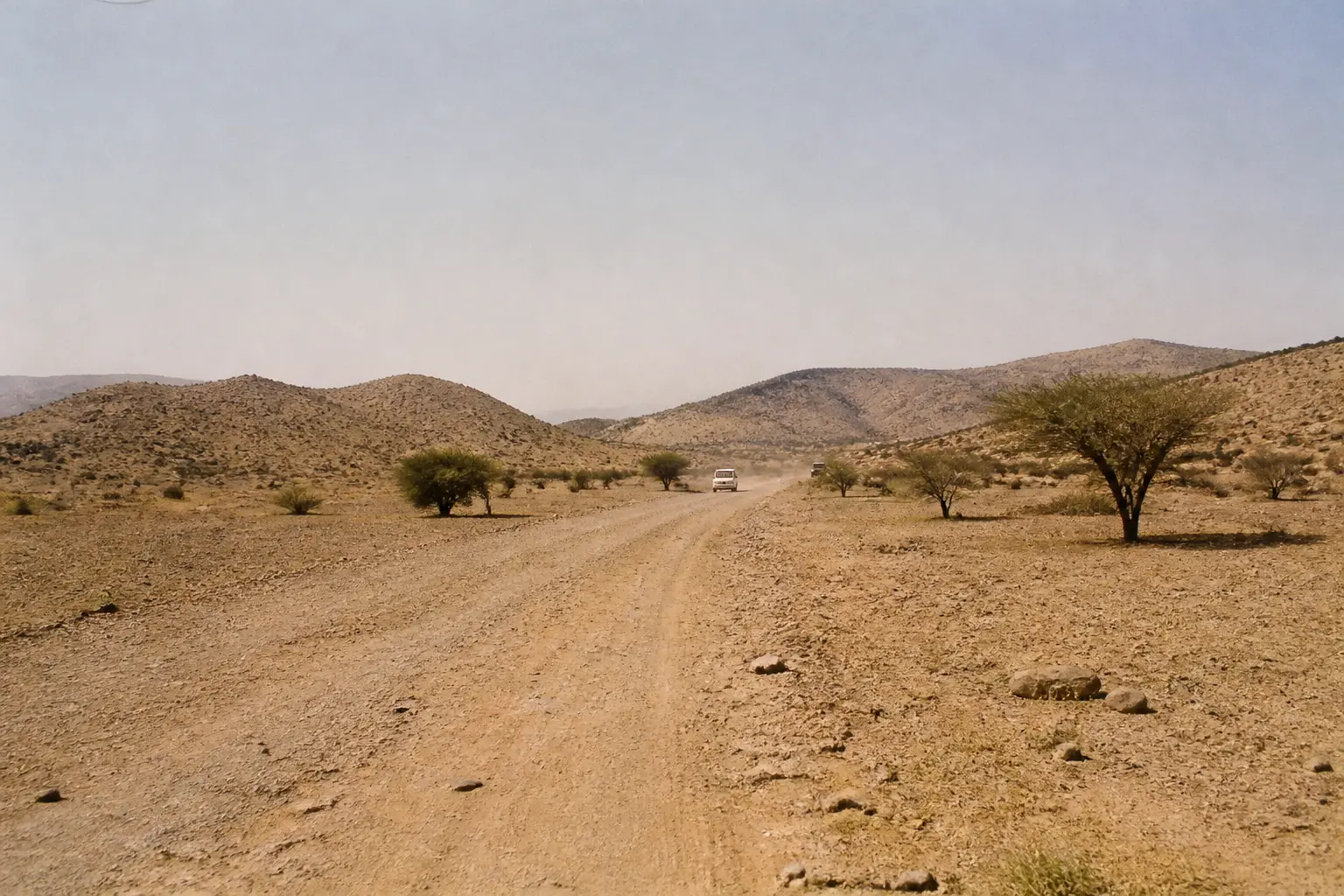
Shabwa — The recruits were lining up in formation for a training session when the missiles came in. Three ballistic missiles struck the al-Alam camp in Yemen's Shabwa province on Monday, killing scores of young men who had joined the internal security forces and, according to their own governor, had never been near a front line. It is the deadliest single attack since Yemen's civil war reignited three months ago.
The death toll has climbed steadily. Shabwa's media office first reported 53 killed and 200 injured. On Tuesday it said Governor Awad bin al-Wazir had been informed by an investigative committee that the figure had risen to 73, with another 14 people missing, the BBC reported. Yemeni officials cited by The Hindu put the toll at 60, with at least a dozen missing. The true figure may not be settled for days.
What happened at al-Alam camp
The camp, formally named the Martyr Ahmed al-Sulaimani Training Centre, sits in Jardan district, north of the provincial capital Ataq. Recruits from several provinces were being trained there to join the internal security forces and police. The Saudi-backed Yemeni armed forces said the Iran-backed Houthis launched three ballistic missiles at the site; Shabwa's provincial government confirmed the same number in a statement.
Hospitals in the province were overwhelmed. The most seriously wounded were transferred to neighbouring Hadramout and to Aden, where the internationally recognised government is based, Shabwa's deputy governor, Fahad al-Khalifi, told AFP. One official, from the local government, told The Hindu that several of the injured were moved to hospitals in other provinces in a life-threatening condition, and that at least 15 of the dead came from a single Yemeni tribe. In Ataq, pleas went out for blood donations, The Guardian reported.
"These recruits have never before participated in any mobilization or on any front," Shabwa Governor Awad Ibn al-Wazir said in televised comments aired by Al Arabiya. "They have no connection to the front lines... they were part of a non-offensive security force."
That account matters because the two sides dispute what was hit. Yemen's Information Minister, Moammar al-Eryani, called the attack a war crime, arguing that an internal security training centre was not a military target. The Houthis' military spokesman, Yahya Sarea, said the missiles had targeted a gathering of what he called "Saudi enemy" forces, at a camp he said was run by Saudi officers. There was no immediate comment from Saudi authorities.
How Yemen returned to full-scale war
Yemen's war began in 2014, when the Houthis ousted the government from the capital, Sanaa. A Saudi-led coalition intervened the following year to try to restore it. A ceasefire agreed in 2022 had largely stopped the fighting — an informal truce that held for roughly four years before it began to unravel in July, when the Houthis announced what they called a "maritime embargo" against Saudi Arabia and began missile and drone attacks on Saudi airports, oil facilities and tankers in the Red Sea. They said they were retaliating for what they call a Saudi blockade of their territory and for an air strike on Sanaa airport they blamed on the kingdom.
The escalation accelerated sharply in September, when the Houthis captured territory on the Red Sea coast overlooking the Bab al-Mandab Strait in a surprise assault. At the start of October, pro-government forces, backed by Saudi-led coalition air power, launched a major offensive to retake ground in western Yemen. They regained territory on the coast overlooking the strait, but fierce fighting continues there, around the besieged government-controlled city of Taiz, and to the north in Marib and al-Jawf provinces.
The human cost on all sides is rising. The government's health ministry said last week that at least 1,282 people had been killed in the conflict across Yemen since 6 August. The Houthi-run health ministry in the north-west said 141 people had been killed in Saudi strikes over the past seven weeks; Houthi-run media reported that a Saudi air strike on a home in Saada province on Sunday killed at least 10 people and injured 23, many of them women and children. In Saudi Arabia, at least 19 people have been killed in Houthi attacks on the kingdom's airports since the beginning of October. None of these figures can be independently verified.
What the strike says about Houthi reach
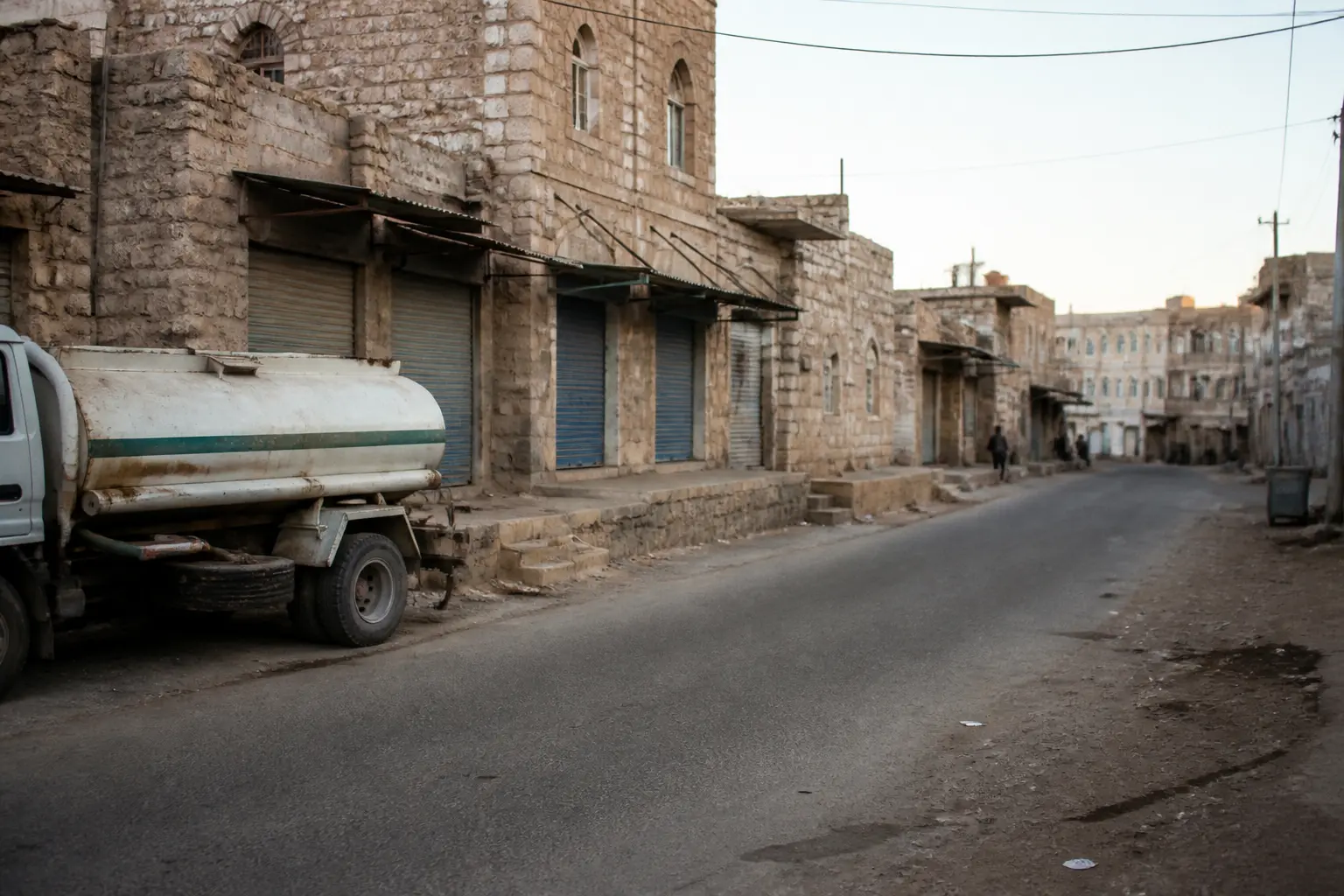
Shabwa is not a border skirmish zone. Along with Marib and neighbouring Hadramawt, it forms what has been dubbed the Yemeni government's "triangle of power" — the strategic area where the country's oil and gas production sits. The al-Alam camp, previously used by a militia backed by the United Arab Emirates, lies on a crucial supply line connecting to government-controlled Marib. Striking it with ballistic missiles, deep in government-held territory, is a demonstration of range and intelligence as much as of firepower.
The Houthis have also sustained their campaign against Saudi Arabia, which has struggled to counter the missile and drone attacks even with far superior US-supplied arms, officials told The Hindu. On Tuesday, Saudi authorities issued an attack warning for the Riyadh area, followed by the sound of an explosion in the north of the capital, near King Khalid International Airport — an airport that has come under repeated attack this month and has been forced to suspend operations. The all-clear was given shortly afterwards; Saudi Arabia said a ballistic missile had been intercepted.
Rashad al-Alimi, head of Yemen's Presidential Leadership Council, condemned what he called the "criminal attack" and promised a "firm response". Al-Eryani, the information minister, accused the Houthis of "attempting to fabricate a false media victory, boost the morale of its collapsing elements, and cover up the defeats and setbacks it is suffering across various combat axes". Reliable assessments of the death toll from the past month of fighting are hard to gather, but it is running into the many thousands, according to The Guardian.
What happens now
Two processes will shape the coming days. The first is the inquiry promised into how so many recruits were left so exposed — gathered in formation, in the open, at a known camp within missile range. The second is the promised government response, and whether it lands on the western front where the offensive is still contesting the Red Sea coast, or opens new pressure around Taiz and Marib.
For the families waiting in Shabwa, the questions are more immediate. Fourteen people remain missing, according to the provincial media office's latest statement; the wounded are spread across hospitals in three provinces; and funerals have begun for young men who, by their governor's account, signed up to guard their own towns and never fired a shot. Whether this strike hardens the front lines or forces either side towards a pause is the question the rest of the country is asking — and for now, no one in Sanaa, Aden or Riyadh has answered it.
Sources
This article is based on reporting from: