Novaya Gazeta closes, blaming 'kill zone' of Kremlin pressure
Russia's flagship independent newspaper says it has been 'killed' by state pressure, ending three decades of reporting critical of the Kremlin.

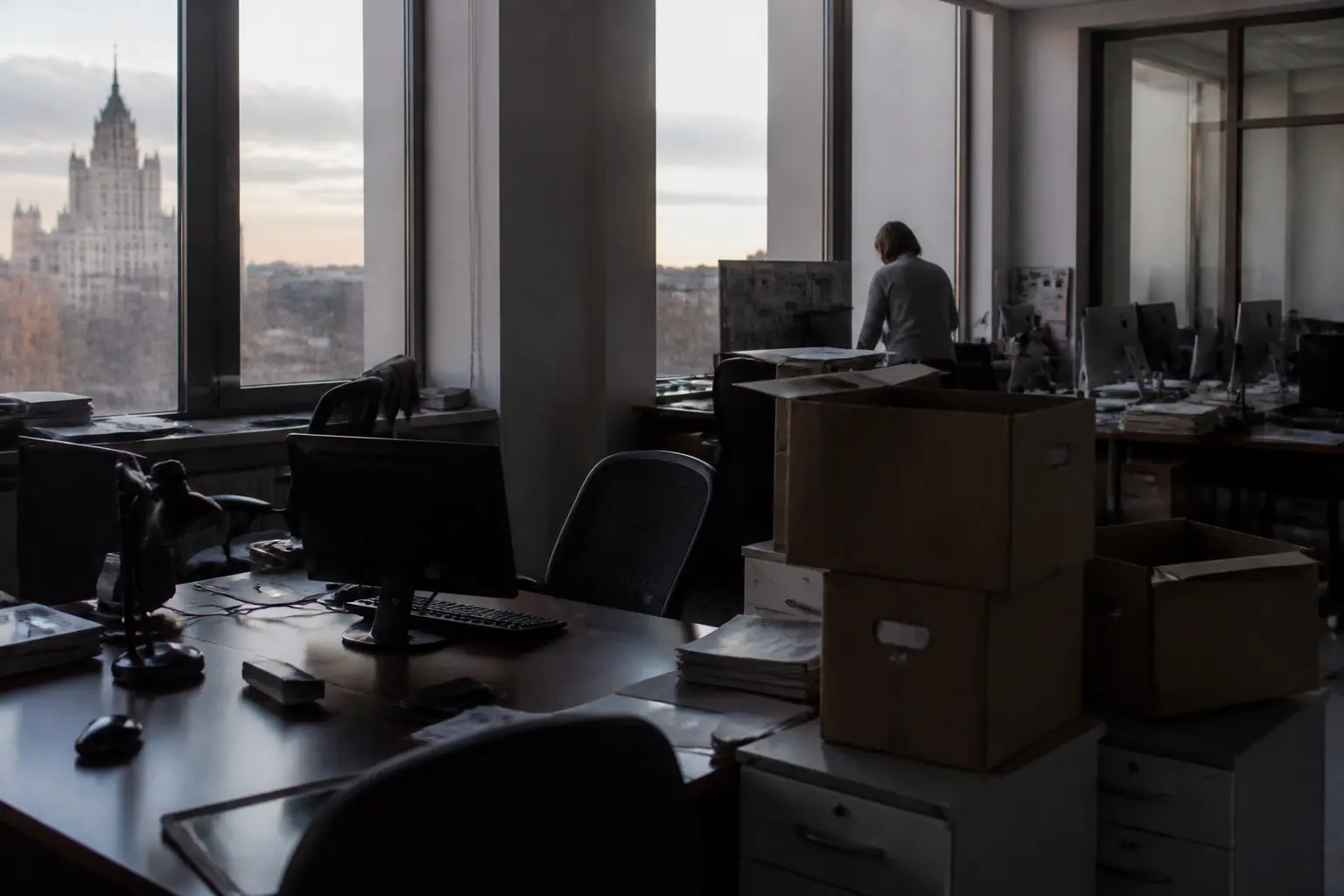
Moscow — Russia's flagship independent newspaper Novaya Gazeta announced on Friday that it is closing, saying it had been "killed" by state pressure after years of repression directed at journalists whose reporting criticised the Kremlin and its war in Ukraine.
The shutdown of what The Hindu described as one of the last outlets openly criticising Russia's offensive marks a new low in a campaign against dissent that accelerated after Moscow sent troops into its neighbour in 2022. Since then the paper has had its media licence revoked, been branded a "foreign agent", and seen journalists and editors questioned, detained and subjected to home searches.
Editor-in-chief Sergei Sokolov announced the closure in a video published on YouTube on Friday morning. "For nearly five years of war, we managed to operate while completely surrounded by intelligence services. But now, that's it. We've ended up in a kill zone," he said, adding that a final issue would still be published. He said the authorities and security services had forced the editorial team to end its work.
The paper's Nobel Peace Prize-winning founder Dmitry Muratov, who shared the 2021 award, told AFP the closure was "part of a giant military campaign being waged by the Russian Federation". Muratov was forced to step down as editor-in-chief two years after receiving the prize, having himself been designated a "foreign agent".
Founded in 1993 after the collapse of the Soviet Union — with start-up help from Nobel money donated by Mikhail Gorbachev — Novaya Gazeta built a reputation for documenting human rights abuses. Several of its reporters have been murdered in killings widely seen as retribution for their work, among them Anna Politkovskaya, who investigated alleged abuses by Russia's military in Chechnya and was found dead in her apartment block in October 2006.
The pressure has intensified in recent months: authorities searched Sokolov's home, and earlier this year arrested journalist Oleg Roldugin, who is charged with unlawful access to computerised information. He pleaded not guilty, according to state media, and is under house arrest pending trial. Reporters Without Borders chief Thibaut Bruttin said the paper "will remain the symbol of free, pluralistic, independent, and rigorous journalism" and called on Moscow to end what the group termed judicial harassment.
The paper had already cut print production inside Russia after the war began, though its online edition remained available despite court orders. The next markers will be the publication of its final issue and Roldugin's trial date — the clearest tests yet of whether any space remains for independent reporting inside Russia.
Sources
This article is based on reporting from: