Drone strike on Abyei market kills at least 153
A drone strike on a market in the disputed Abyei border region killed at least 153 people, with South Sudan blaming Sudan's army and the toll still rising.

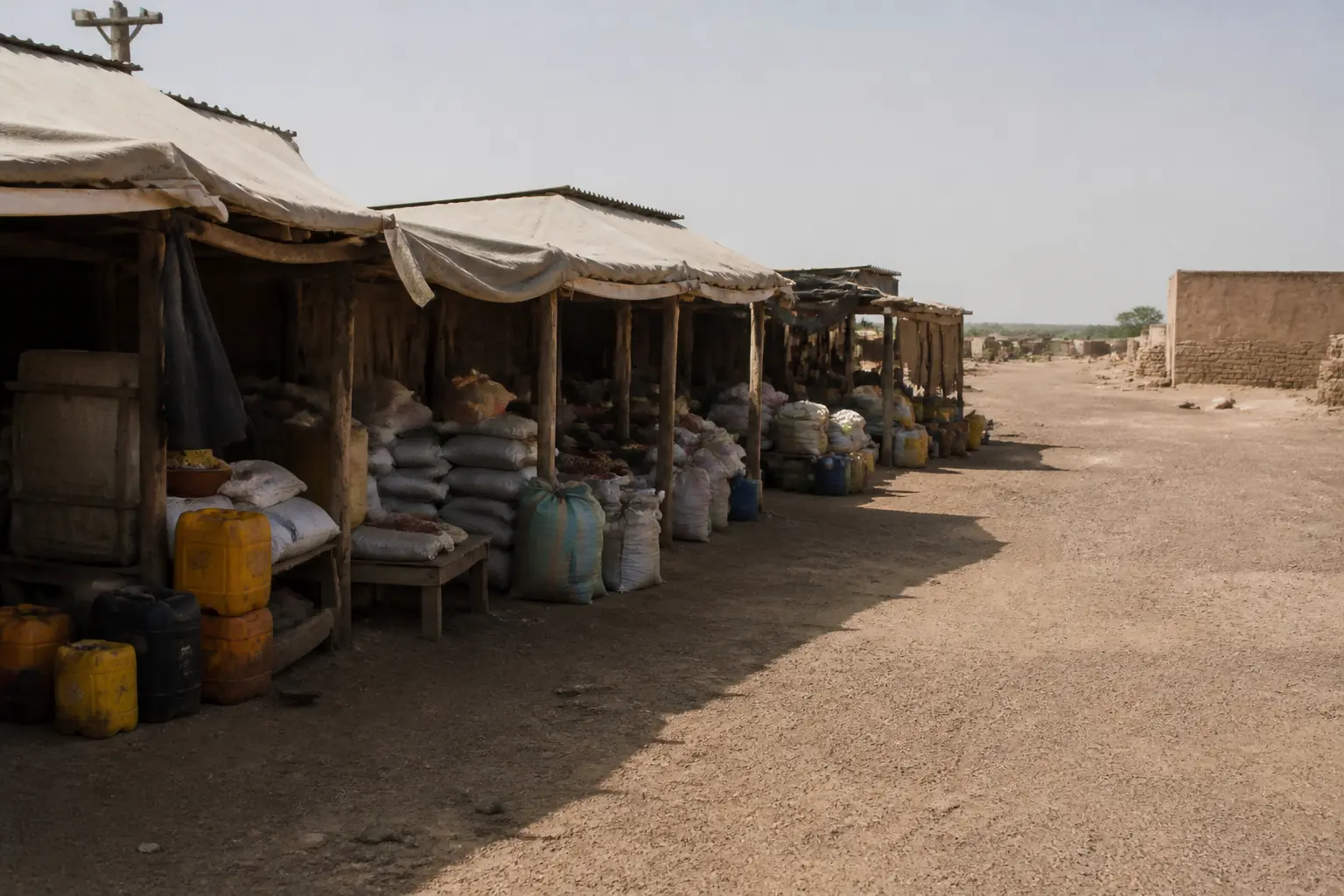
Abyei — A day after the strike, fires were still burning at Amiet Market, north of Abyei town, and some of the dead had been burned beyond recognition. At least 153 people were killed when drones hit the market in Abyei, the oil-rich border region claimed by both Sudan and South Sudan, according to the local administration's caretaker minister of information, Yohanna Akol Ngor. He described the "situation is terrible" and warned the death toll was likely to rise.
The attack on Monday is the deadliest single incident yet in a region that sits uneasily between two states, and it has pulled Sudan's civil war — fought between the national army and the paramilitary Rapid Support Forces (RSF) since April 2023 — directly across an international frontier. South Sudan's government has blamed Sudan's military outright. A senior Sudanese officer, speaking anonymously, acknowledged the army carried out a strike but said it was aimed at fuel tankers bound for the RSF. The United Nations has condemned the attacks without naming a perpetrator.
What happened at Amiet Market?
According to Al Jazeera, drones hit several locations in Amiet Market on Monday. Ngor, the Abyei administration's caretaker information minister, told Reuters that fires continued to burn at the site on Tuesday and that some bodies had been burned to ashes. He gave the death toll as at least 153 and said it was likely to rise.
The medical charity Doctors Without Borders, known by its French acronym MSF, said it was treating more than 20 wounded people, some with severe burns. The UN said many people remained missing, and that the toll was likely to rise as the UN Interim Security Force for Abyei (UNISFA) continued verifying casualties. The figures cannot be independently verified at this stage.
The UN secretary-general's spokesman, Stephane Dujarric, condemned drone attacks near Amiet Market and near Todach, saying dozens of civilians, including women and children, had been killed and many others injured. His statement did not identify who carried out the attacks — a notable silence, given the competing claims.
Who is responsible — and who were the victims?
This is where the accounts diverge sharply. South Sudan's Ministry of Foreign Affairs and International Cooperation blamed Sudan's military directly, saying drones hit several locations in the market. Juba summoned Sudan's ambassador and called on its northern neighbour to "refrain" from acts that endanger civilian lives and property.
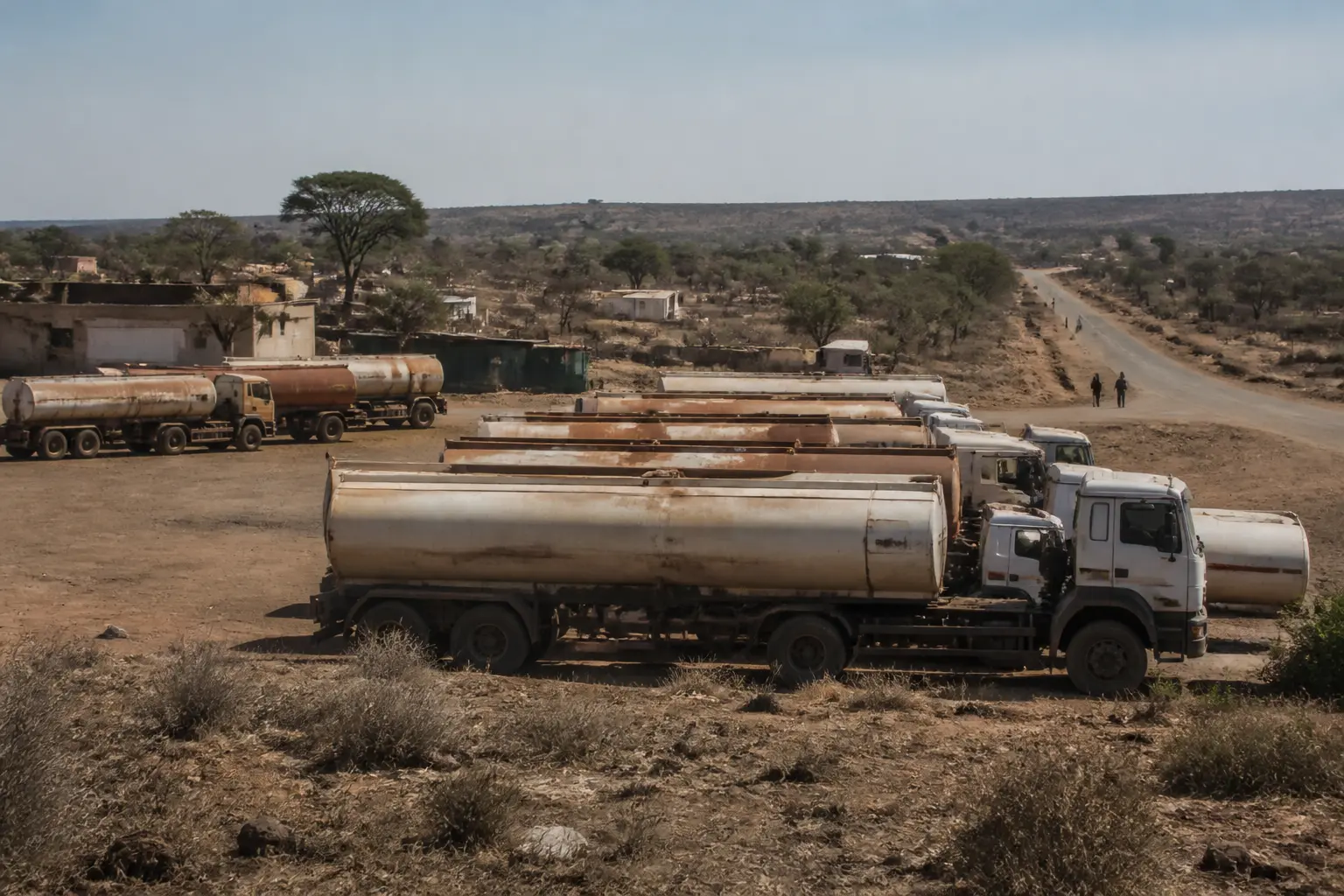
Sudan's armed forces offered no immediate public comment. But a senior Sudanese officer, speaking anonymously to The Associated Press, said the army struck fuel tankers coming from South Sudan that were headed to the RSF. He claimed those killed were RSF members and fuel smugglers, and said the military does not "target civilians".
Unnamed diplomats told Reuters the strike hit a fuel depot in the market that the RSF has used in the past to supply its fighters. The South China Morning Post reported that the strike on the market hit a nearby fuel depot, with the inferno engulfing civilian stalls. The RSF itself has not commented on the attack. Between the Sudanese officer's account and the accounts of burned market stalls and civilians treated for severe burns, the precise identity of the dead remains unresolved.
Why is Abyei so exposed to Sudan's war?
Abyei is claimed by both Sudan and South Sudan, which became independent in 2011, and is jointly administered. Its status has never been finally settled, and it sits next to Sudan's Kordofan area, which has become a major centre of fighting in the war between the army and the RSF.
South Sudan says it has not taken sides in that war. But diplomats say Abyei has become a key route for RSF fuel supplies — which is precisely what made a fuel convoy and depot in the region a military target for Khartoum. A market that serves both as a civilian trading hub and, according to the diplomats cited by Reuters, as a past supply point for one side in the war was always going to carry lethal risk.
The war itself, which began in April 2023, has ignited a devastating humanitarian crisis in Sudan. Drone attacks have escalated across the country in recent weeks, with strikes reported in West Kordofan state and in the capital, Khartoum. The Abyei strike extends that pattern beyond Sudan's recognised borders into territory that is, in legal terms, disputed ground.
How is the international community responding?
France 24 reported that the UN envoy for Sudan, Pekka Haavisto, the Personal Envoy of the UN Secretary-General, spoke following an emergency international meeting on the escalating crisis, as the UN warned of a wider regional crisis. The framing matters: the concern in New York is no longer only about Sudan's internal war, but about its regional toll.
The diplomatic machinery is moving, but slowly. South Sudan's summoning of Sudan's ambassador is the sharpest bilateral step so far. The UN's condemnation was deliberately unassigned. And UNISFA, the peacekeeping force on the ground, is still counting the dead rather than preventing the next strike.
The escalation carries echoes of other conflicts where strikes on camps and gatherings have exacted a mass toll, such as the Houthi missile strike on a Yemen training camp that killed dozens of recruits — a reminder of how quickly drones and missiles have become the weapon of choice for hitting targets far behind any front line.
What happens next?
Several things are now pending. UNISFA's verification work will determine whether the confirmed toll climbs above 153, and whether the dead were civilians, combatants or both. Khartoum must decide whether to answer South Sudan's protest formally, or let the anonymous officer's account stand as its only word. The RSF, conspicuously, has said nothing.
- UNISFA's casualty verification, which the UN says may push the toll higher
- Sudan's formal reply after Juba summoned its ambassador
- Any RSF statement on the strike and on the fuel route through Abyei
- Outcomes of the emergency international meeting on the crisis addressed by the UN envoy
For the families around Amiet Market, the sequence is simpler and crueller. They are waiting for the fires to be out, for the missing to be found, and for a death toll that officials on all sides say has not yet reached its final number. Whether anyone is held to account for a strike on a crowded market, in a region that two countries claim and neither fully governs, is the question that will outlast the smoke.
Sources
This article is based on reporting from:
- France 24 Sudan's war escalates as UN warns of wider regional crisis - Eye on Africa
- Al Jazeera Drone attack in disputed Sudan-South Sudan border region kills at least 153 | Sudan war News | Al JazeeraplayShow navigation menuplaysearchcaret-leftcaret-rightListenshare-nodesfacebookxwhatsapp-strokecopylinkgoogleinfoaj-logoaj-logoaj-logofacebooktwitteryoutubeinstagram-colored-outlinerssblueskytiktok-colored-outline
- South China Morning Post Drone strike on market in disputed Sudan border region kills at least 153