Israelis vote in first election since 7 October attacks
Voters head to the polls on Tuesday in a contest widely seen as a verdict on Netanyahu, with centrist Gadi Eisenkot leading the challenge.

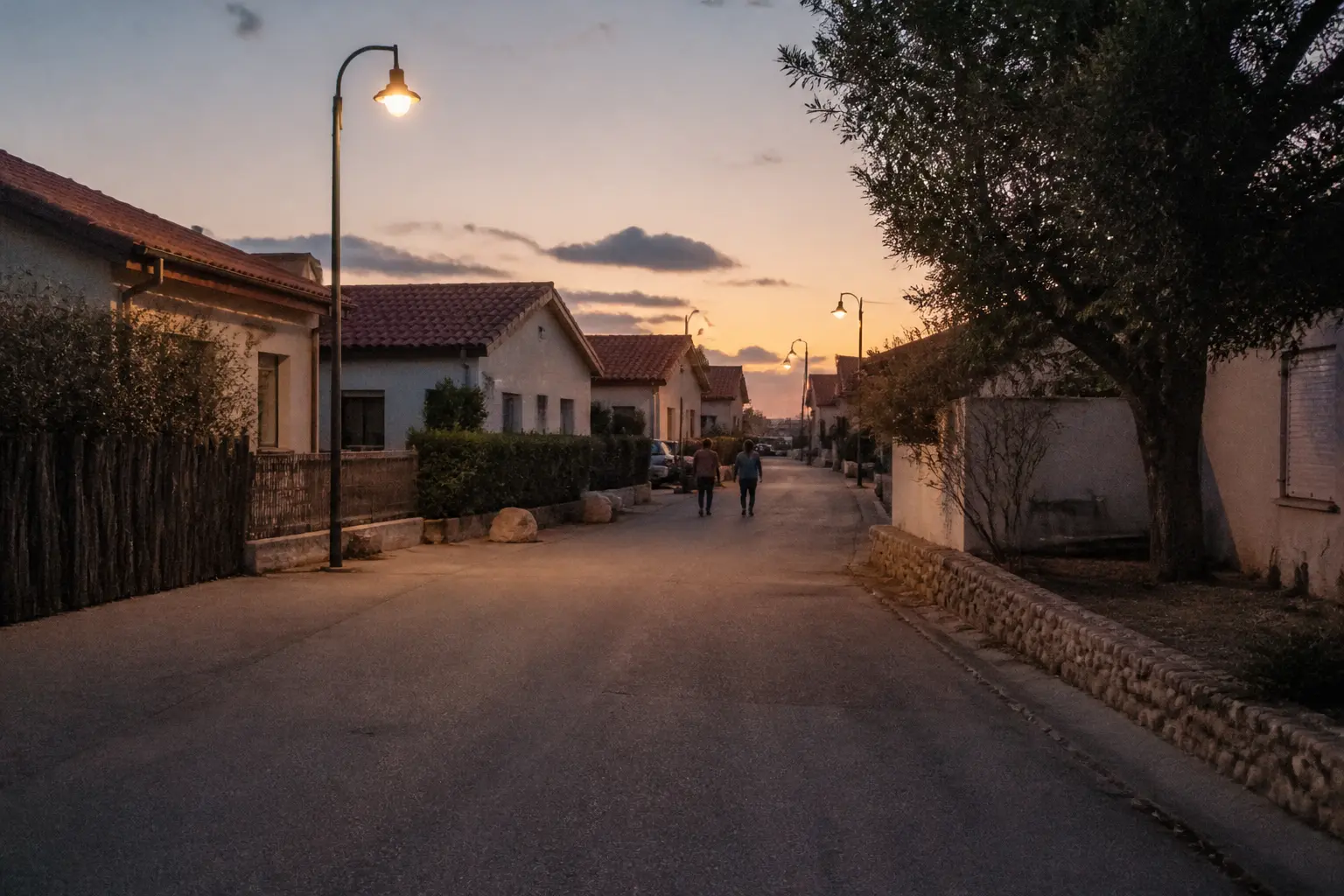
Jerusalem — Israelis vote on Tuesday in the country's first national election since Hamas' 7 October 2023 attack, a contest that has become a referendum on Prime Minister Benjamin Netanyahu's leadership, the security failures of that day and the wars that followed.
The campaign has been deeply divisive, Africanews reported, fought over the cost of living, military service exemptions for ultra-Orthodox Jews and a judicial overhaul that critics say weakened Israel's democratic institutions. The conduct of the war in Gaza has drawn relatively little debate; both major blocs broadly back Jewish settlements in the occupied West Bank and oppose a Palestinian state.
Netanyahu's principal challenger is Gadi Eisenkot, a 66-year-old former military chief of staff who leads the centrist Yashar party. He has pledged to investigate the failures surrounding the attack and to repair Israel's standing with international allies. He served as an observer in Netanyahu's war cabinet but resigned after eight months, accusing the prime minister of lacking a clear strategy. His son and two nephews were killed in combat in Gaza.
Eisenkot, from a working-class family of Moroccan Jewish immigrants, remains hawkish on security and is credited with formulating Israel's so-called "Dahiyeh Doctrine", which calls for disproportionate force in areas from which militants launch attacks. If he forms a coalition, he would be Israel's first prime minister of Mizrahi descent.
Voters spoke of a country split in two. "I decided to vote for Eisenkot because the time has come for someone to start bringing this people together a little," Shimon Elmaliah, a resident of Sderot, said. In Jerusalem, Refael Ohayon disagreed: "Only Bibi will win these elections, and if not, the State of Israel is in existential danger."
The French broadcaster reported that expatriate citizens, unable to vote abroad, have flown in from around the world to cast ballots. By Tuesday night, Israelis will know whether the country has chosen continuity or a new generation of leaders — and, for many, whether its two camps can begin to close.
Sources
This article is based on reporting from: